



With hotter summers and less predictable rainfall across Melbourne, water-wise gardening is becoming more important than ever.
At this year’s Show, Yarra Valley Water shared practical ideas to help gardeners create beautiful outdoor spaces that use water more efficiently.
Here were their top 10 tips to help your garden thrive while using less water:
1. Improve your soil
Healthy soil holds moisture for longer, meaning plants need less frequent watering. Adding compost and organic matter improves soil structure and helps plants access water more efficiently.
2. Mulch your garden beds
Mulch is one of the easiest ways to reduce water loss. A 5-10 cm layer helps lock moisture into the soil, reduce evaporation and keep roots cooler on hot days.
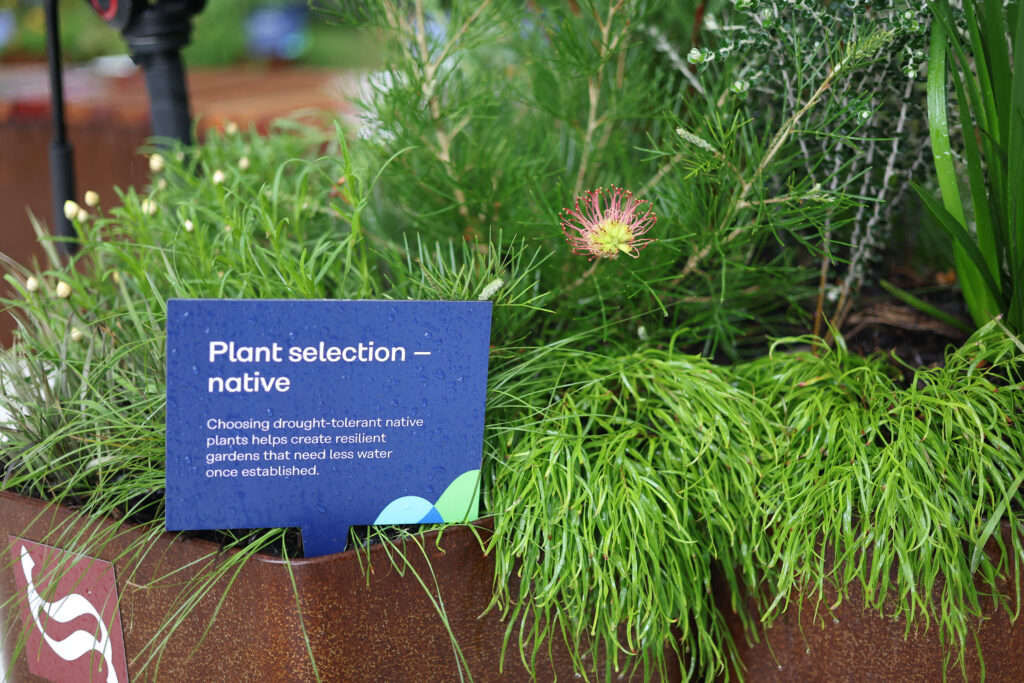
3. Choose water-wise plants
Plants suited to Melbourne’s climate generally require less water once established. Both native plants and drought-tolerant exotics can thrive with minimal irrigation when planted in the right conditions.
4. Group plants with similar water needs
This technique – known as plant zoning – helps you water more efficiently. By grouping plants with similar water needs together, you avoid overwatering some areas of your garden.
5. Install efficient irrigation
Drip irrigation and micro-sprinklers deliver water directly to plant roots where it’s needed most. This reduces evaporation and ensures every drop counts.
6. Use a trigger nozzle on your hose
A trigger nozzle allows you to control water flow instantly, preventing unnecessary runoff while moving between plants. It’s a simple tool that can save a surprising amount of water.
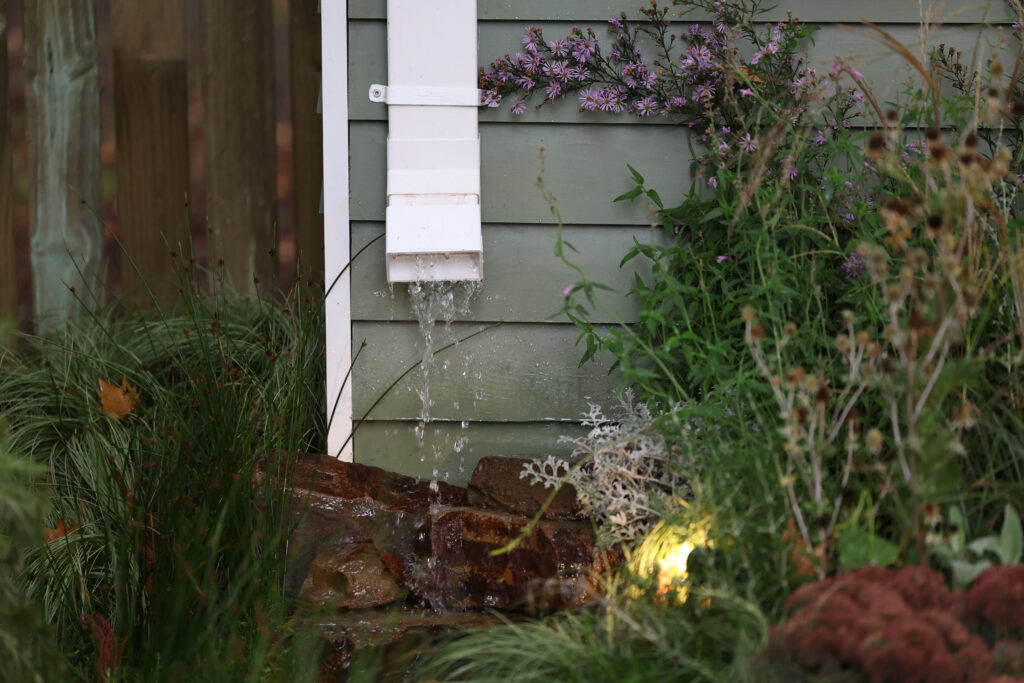
7. Capture rainwater
Installing a rainwater tank allows you to collect water from your roof and reuse it in the garden. Even a small tank can provide valuable water for garden beds, pots and vegetable patches.
8. Create helpful microclimates
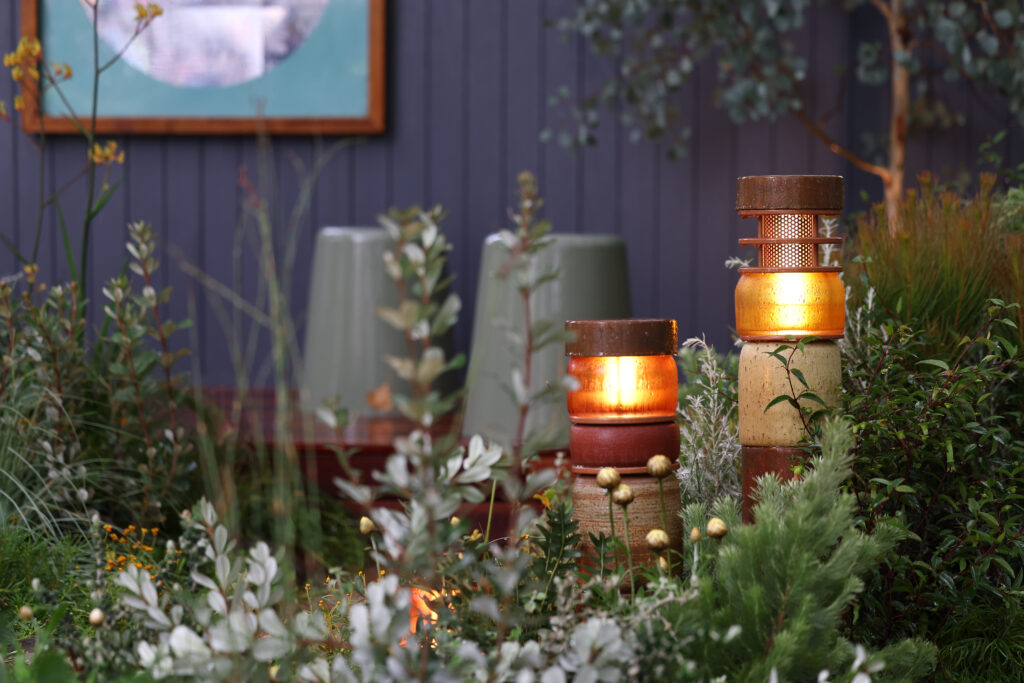
Trees, shrubs and structures can create shade and shelter from drying winds. These small microclimates help soil retain moisture and reduce water stress on plants.
9. Try olla irrigation
Ollas are unglazed clay pots buried in the soil and filled with water. Moisture slowly seeps through the clay directly to plant roots as the soil dries, delivering water exactly where plants need it.
10. Build a wicking bed
Wicking beds store water in a reservoir beneath the soil surface. Plants draw moisture upward through the soil, reducing evaporation and allowing vegetables to grow with far less frequent watering.
Making every drop count
Around 15% of household water use occurs outdoors, so even small changes in the garden can make a meaningful difference. By applying simple water-wise techniques like these, households can reduce water use while helping protect our shared water supplies for the future.
To learn more about the Yarra Valley Water gardens and the ideas showcased at the Show, download the fact sheet at www.yvw.com.au/melbourne-flower-garden-show